[High-Rise Collapse in Bangkok — 1000 km from Epicenter]
日本語版はこの後に記載してます。
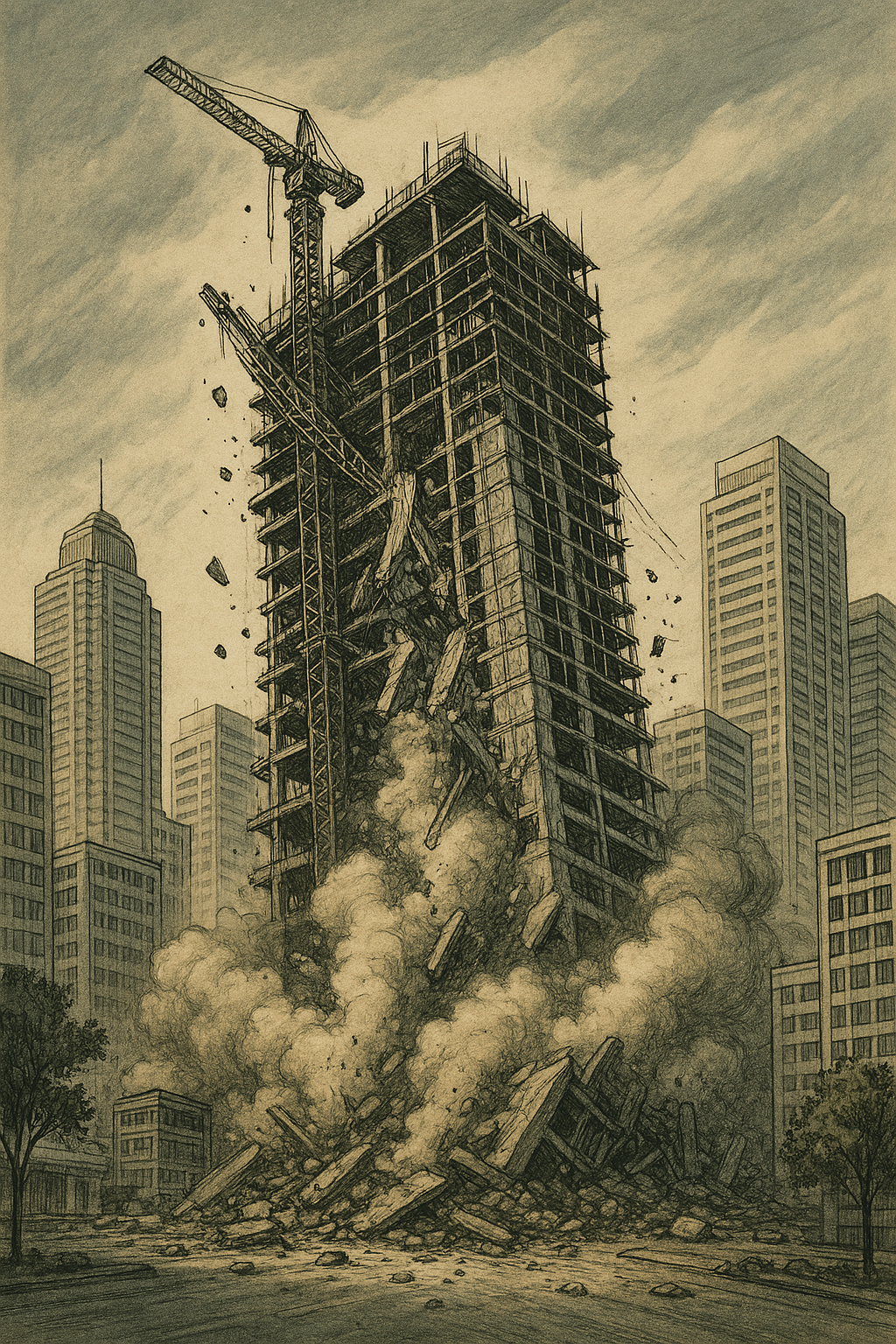
A high-rise building under construction in Bangkok has collapsed, despite being 1,000 km away from the epicenter of the Myanmar earthquake.
The cause: long-period seismic waves, soft ground conditions, and the fact that many structures in Bangkok are not built with earthquake-resistant design.
This incident is a stark reminder that seismic risks can extend far beyond the epicenter.
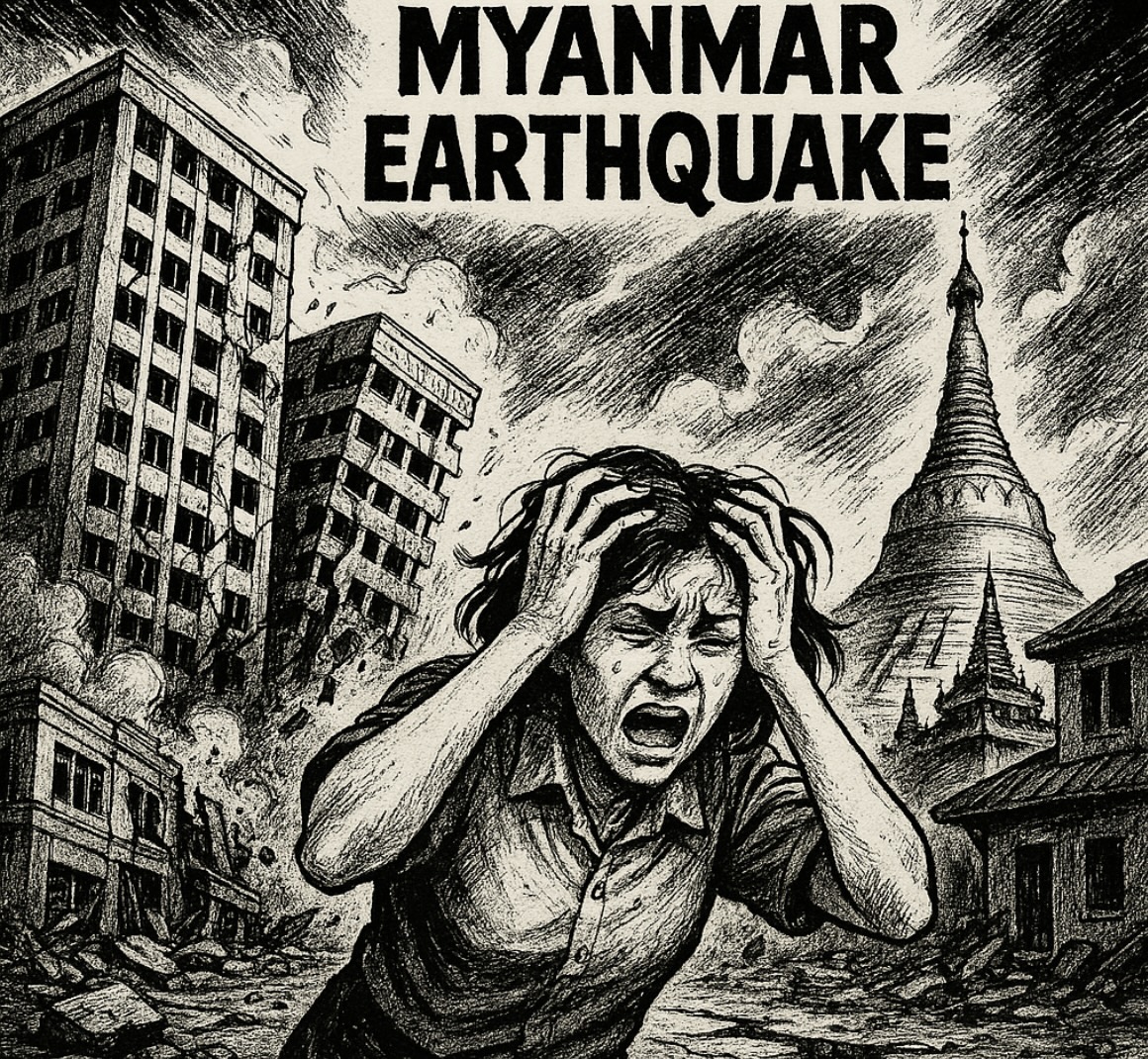
A powerful magnitude 7.7 earthquake struck central Myanmar, with the epicenter located about 16 km northwest of Sagaing, at a depth of 10 km. Just 12 minutes later, a second quake with a magnitude of 6.4 occurred, with its epicenter about 18 km south of Sagaing.
We are closely following the situation. Hoping for the safety of everyone affected.
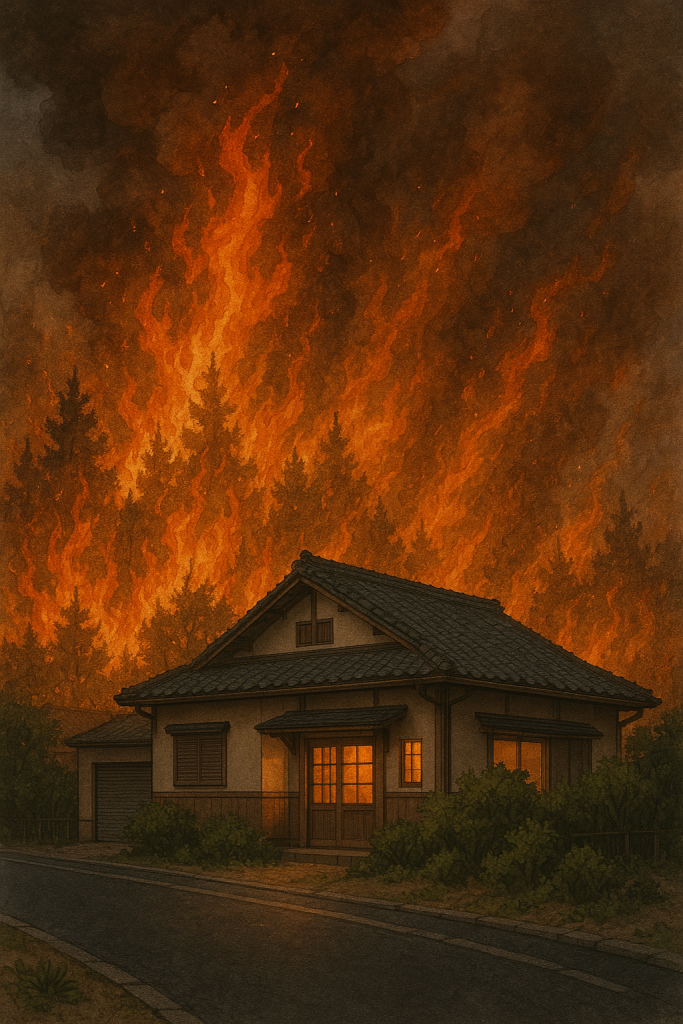
Currently, large-scale forest fires are breaking out across Japan. The flames are rapidly approaching residential areas and even stretching to coastal regions. To help prevent further damage, we are sharing this information with the world.
Current Situation:
• Forest fires are occurring throughout Japan, particularly near residential areas and along coastal forests.
• Thousands of people are being forced to evacuate, living in fear and uncertainty.
• The fires have disrupted essential infrastructure, including road closures and power outages.
Causes:
1. Climate Change Effects:
• Persistent dry conditions and high temperatures due to abnormal weather are increasing wildfire risks.
2. Human Factors:
• Improper handling of fire, including bonfires and fire-related activities, has led to several outbreaks.
3. Natural Ignition:
• Lightning strikes and strong winds causing friction among trees are also contributing to the fires.
Countermeasures:
1. Promoting Evacuation:
• Authorities are issuing swift evacuation orders and securing safe evacuation routes.
2. Firefighting Efforts:
• Firefighting teams and the Self-Defense Forces are conducting extensive firefighting operations, including aerial water drops.
3. Information Sharing and Cooperation:
• Real-time updates on evacuation status and fire progression are being disseminated through social media and news outlets.
4. Implementing Fire Prevention Measures:
• Clearing vegetation around residential areas and promoting fire safety awareness are being encouraged.
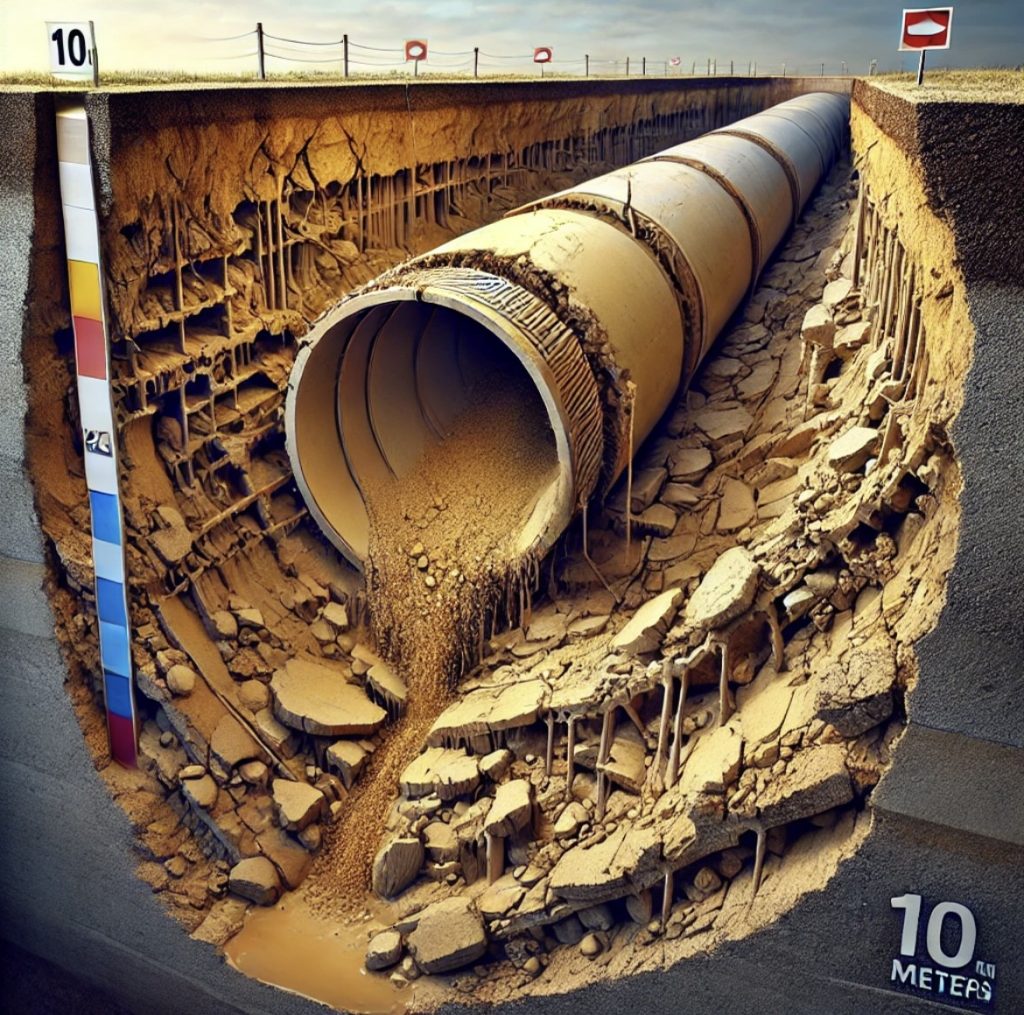
Sinkholes and ground subsidence in urban areas are caused by various factors. Below are the main causes and their summaries:
Screenshot
1. Excessive Groundwater Extraction
Over-extraction of groundwater weakens soil support, leading to subsidence and sinkholes.
This is particularly significant in urban areas where industries and agriculture rely heavily on groundwater.
2. Aging Underground Structures
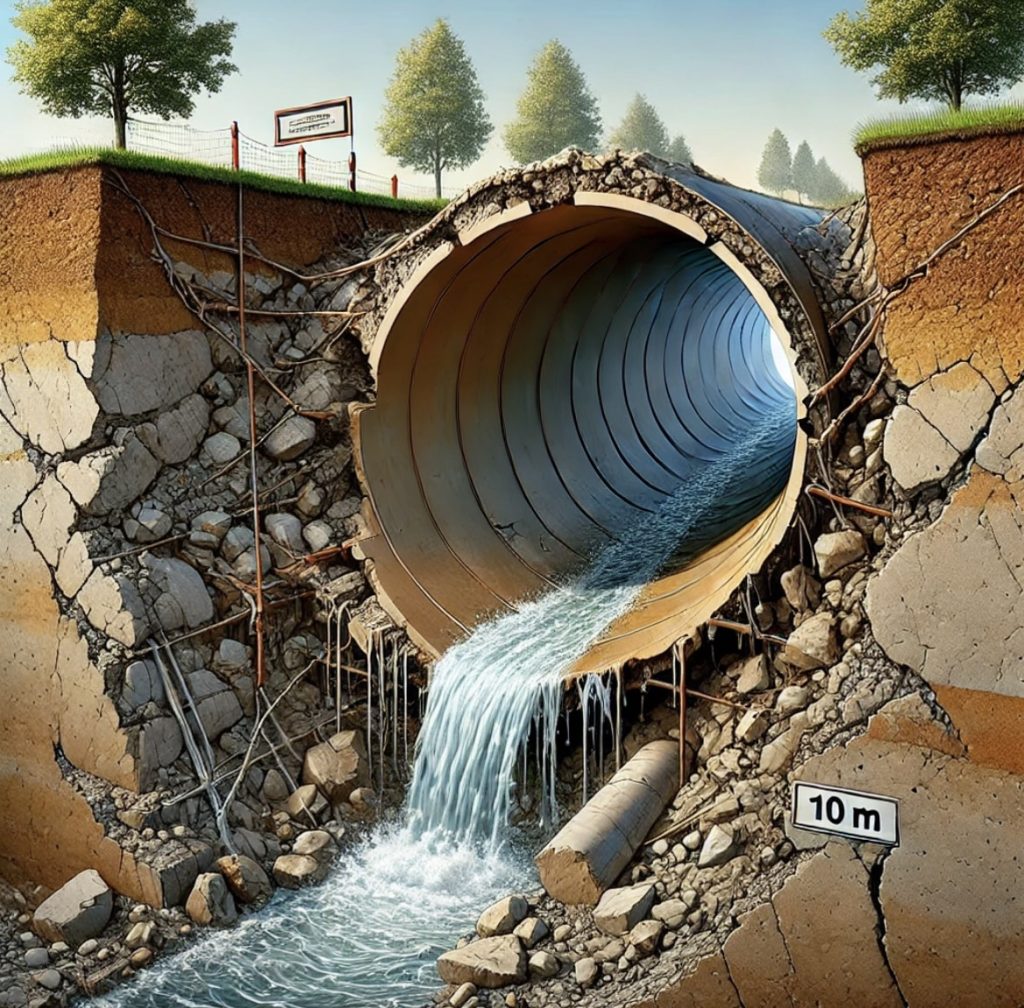
Underground pipelines, such as water, sewage, and gas pipes, deteriorate over time, causing leaks and breakages.
Leaking water erodes surrounding soil, creating voids that eventually lead to sinkholes.
Screenshot
3. Presence of Underground Cavities
Man-made cavities, such as subways, tunnels, and underground parking facilities, can contribute to sinkholes.
If the ground is not properly supported, sinkholes may develop over time.
4. Impact of Construction Work
Inadequate ground treatment during underground construction (e.g., tunnel excavation, subway construction) can create voids.
Vibrations and excavation work can weaken surrounding soil, increasing the risk of collapse.
5. Natural Phenomena
Heavy rainfall and earthquakes can loosen the soil, causing sinkholes.
Rainwater infiltration can wash away underground soil, creating voids.
6. Geological Characteristics
Soft soil layers (e.g., clay or sand) have low load-bearing capacity, making them prone to subsidence and sinkholes.
In limestone regions, karst topography (such as underground caves) can cause sudden ground collapses.
7. Reclaimed Land and Artificial Ground
Reclaimed land is often prone to subsidence due to weak original ground conditions or improper fill materials.
Over time, soil compaction can cause the ground surface to sink.
Preventive Measures
Regular Infrastructure Inspections: Early detection and repair of aging underground facilities.
Proper Groundwater Management: Preventing excessive extraction and stabilizing groundwater levels.
Ground Improvement: Implementing appropriate soil reinforcement, especially in construction and reclaimed land areas.
Use of Monitoring Technologies: Employing sensors and drones to detect ground movement.
Since multiple factors often contribute to sinkholes, completely preventing them is difficult. However, early detection and proactive measures are essential in mitigating risks.
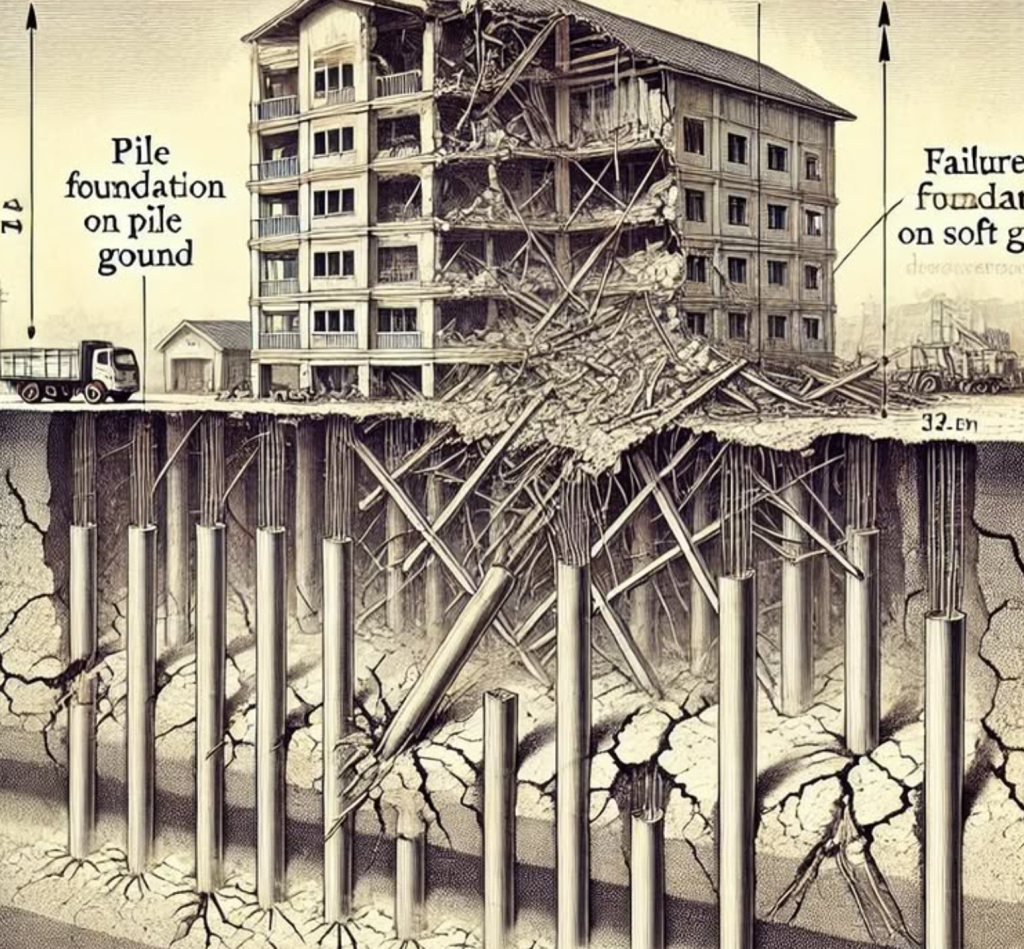
1. Seismic Motion Amplification Soft ground amplifies seismic vibrations as it cannot fully absorb the energy, leading to increased amplitude near the surface. This effect is particularly pronounced on thick or highly viscous soils. 2. Excessive Stress on Piles Amplified seismic motion subjects piles to greater-than-expected horizontal forces and bending moments. Normally designed for vertical loads, piles are exposed to increased horizontal loads and torsional stresses during earthquakes, raising the risk of failure or deformation. 3. Pile-Ground Interaction Soft ground characteristics may prevent piles from providing adequate support. Earthquakes can cause piles to be pushed deeper into the ground, leading to significant interactions with the soil. This may result in pulling or bending of the piles, compromising foundation stability. 4. Localized Pile Failure Parts of the pile foundation can fail locally, causing the entire structure to sink or tilt. Amplified vibrations increase the likelihood of cracks or breakage, especially at the pile’s base or middle.
Conclusion The Noto earthquake revealed pile foundation failure on soft ground, not due to liquefaction, but from amplified seismic vibrations causing excessive horizontal forces and bending moments. Therefore, pile foundation designs in soft ground areas must consider these amplification effects for earthquake resilience.
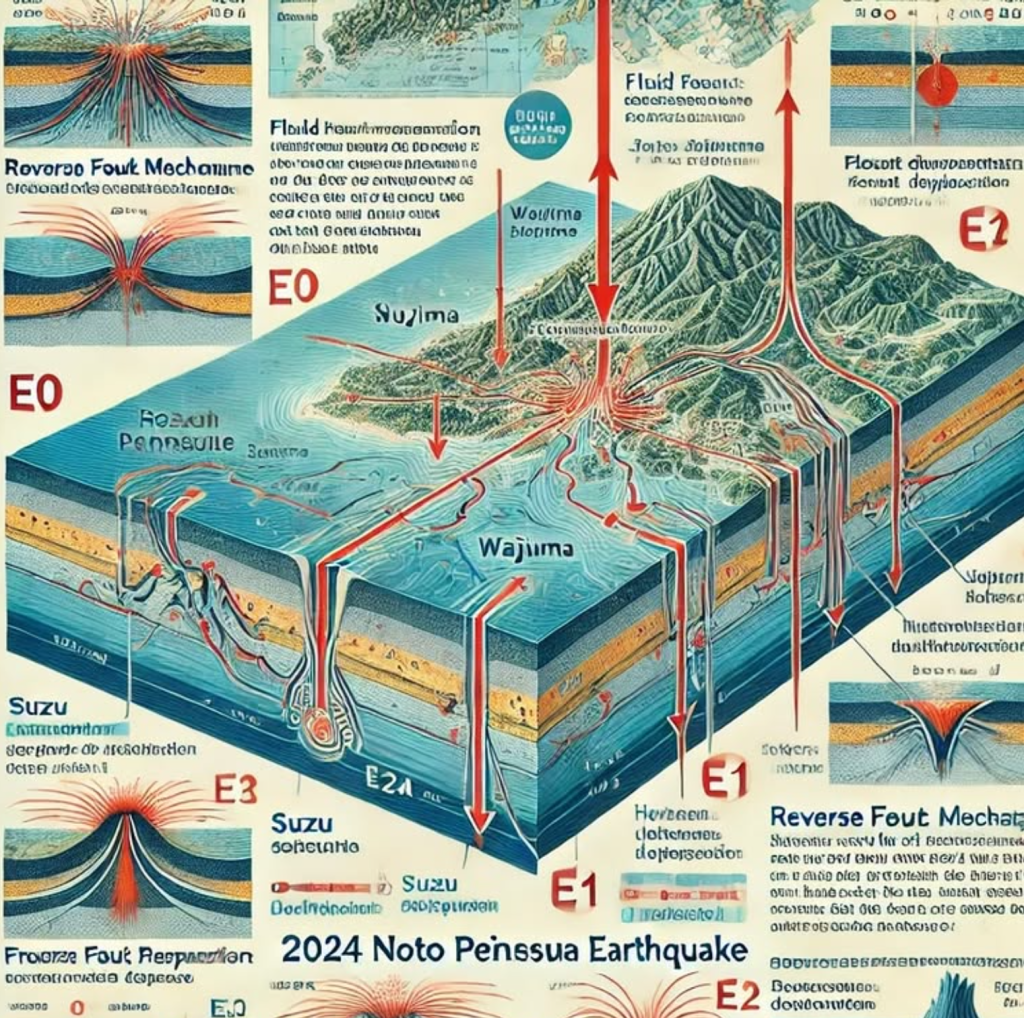
The 2024 Noto Peninsula earthquake, with a magnitude of 7.6, has been a topic of significant academic study. It involved complex fault mechanics influenced by deep-seated crustal activity and fluid migration. This earthquake occurred along known offshore active faults, such as the Suzu and Wajima segments, but researchers are still analyzing whether parallel faults also played a role in triggering the event
Earthquake Mechanism
The earthquake was characterized by reverse faulting with multiple rupture events. Initially, a slow rupture (E0) propagated westward for about 10 seconds before activating larger faults (E1 and E2), spanning a 65 km area. Simultaneously, fault slippage occurred on the eastern side (E3), demonstrating a unique rotation in the fault’s orientation . This multi-phase rupture development contributed to the significant impact, making the earthquake difficult to predict based on standard fault behavior models.
Role of Fluid Migration
Ongoing seismic swarms since 2020 in the region indicated the involvement of fluids rising from deep underground. These fluids may have infiltrated fault zones, weakening them and making the area prone to larger seismic events. The earthquake’s rupture was also facilitated by stress accumulated along these fault lines over time, enhancing the chance of fault movement .
Impact and Research Insights
This earthquake marked the first instance of a seismic intensity of 7 being recorded in the Noto region, with widespread ground deformation and liquefaction reported. Research presented at the Earthquake Engineering Conference highlighted severe impacts on infrastructure, including bridges and ports, and emphasized the importance of UAVs and LiDAR in post-earthquake damage assessments  .
The findings from this earthquake underscore the need for advanced seismic risk evaluation, particularly in regions with active faults influenced by deep crustal processes and fluid dynamics.
Today is Geosteki-san’s birthday, the beloved civil engineer character, and it also marks Civil Engineering Day (土木の日) in Japan!
日本語は後に記載しております。
Why is November 18th Civil Engineering Day?
Civil Engineering Day in Japan, or “土木の日” (Doboku no Hi), is celebrated every year on November 18th for two main reasons: 1. Historical Significance: On November 18, 1879, the Japan Society of Civil Engineers (JSCE) was founded. This was a significant milestone in the development of modern civil engineering in Japan. 2. Kanji Wordplay: The date is also derived from the way the kanji for 土 (earth) and 木 (tree) resemble numbers: • 土 looks like “11” → November (11th month) • 木 looks like “18” → the 18th day Combining these creates “11/18,” perfectly matching the kanji for 土木 (civil engineering).
Purpose of Civil Engineering Day
The day was established to: • Raise awareness about the importance of civil engineering in building infrastructure and supporting society. • Inspire future generations to pursue careers in civil engineering and appreciate its contributions. • Celebrate the achievements of civil engineers and their essential role in disaster prevention, urban planning, and environmental protection.
It’s a day to reflect on the vital role civil engineering plays in our lives while celebrating those, like Geosteki-san, who dedicate themselves to shaping a better and more resilient world!
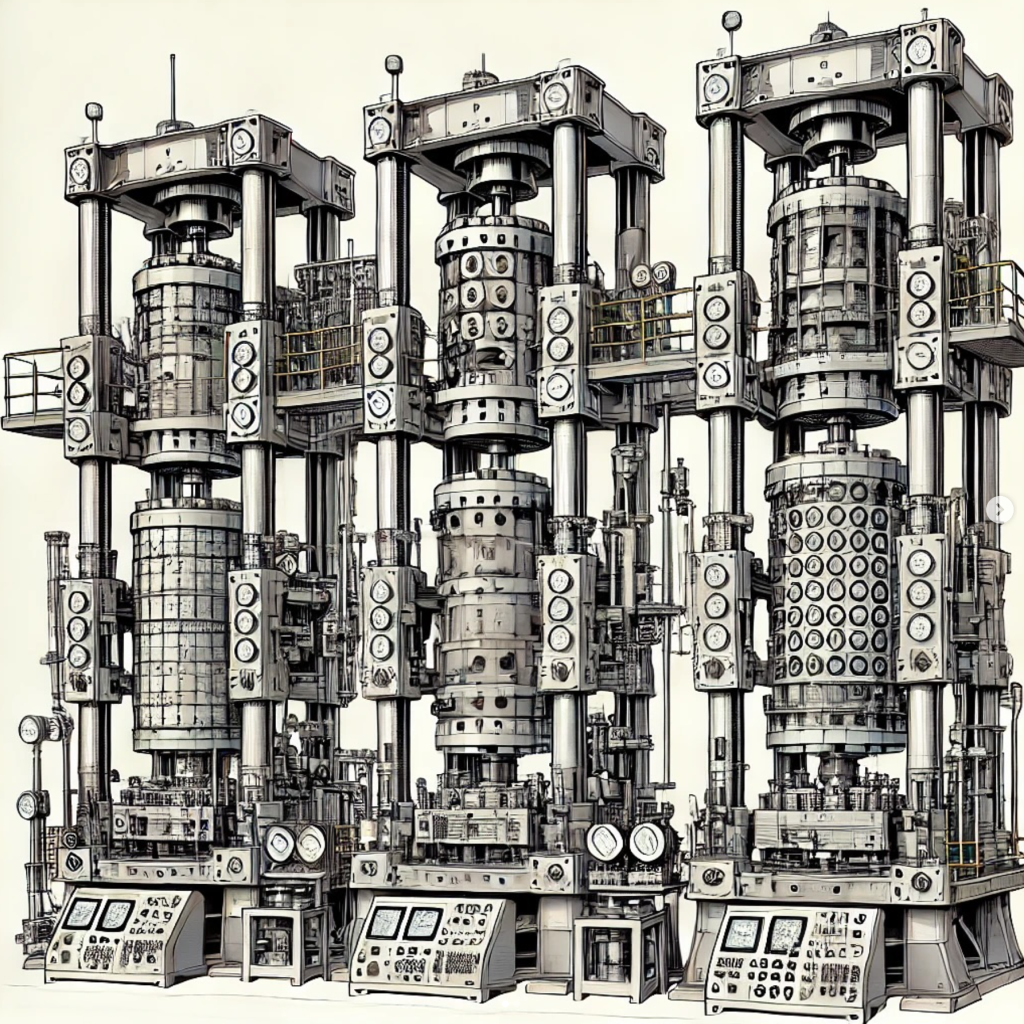
The need for improvements in triaxial compression tests stems from the following:
Improving Test Accuracy: Traditional triaxial compression tests may have errors due to sample heterogeneity and stress concentration. Improved methods can provide more accurate data on strength and deformation characteristics.
Automation and Efficiency: Automating the testing process can reduce human error and improve efficiency, allowing more samples to be tested in a shorter period.
Evaluation of New Materials: As new ground improvement materials and advanced construction materials emerge, traditional testing methods need to be improved to accurately evaluate these new materials’ properties.
Replication of Environmental Conditions: There is a need for improved testing apparatus to replicate special environmental conditions such as earthquakes and extreme weather. This allows for a more realistic assessment of geomaterial behavior.
Enhancing Data Interpretation: With advancements in digital technology, data collection and analysis have become more sophisticated. Improved testing apparatus, along with enhanced data accuracy and interpretive capabilities, provides deeper insights into ground behavior.
Conclusion
Triaxial compression tests are indispensable in geotechnical engineering, and continuous improvements in their accuracy and efficiency are essential. Enhancing test accuracy, automation, evaluation of new materials, replication of special environmental conditions, and data interpretation can provide more accurate understanding of geomaterial properties, thereby improving the safety and efficiency of civil engineering and construction projects.
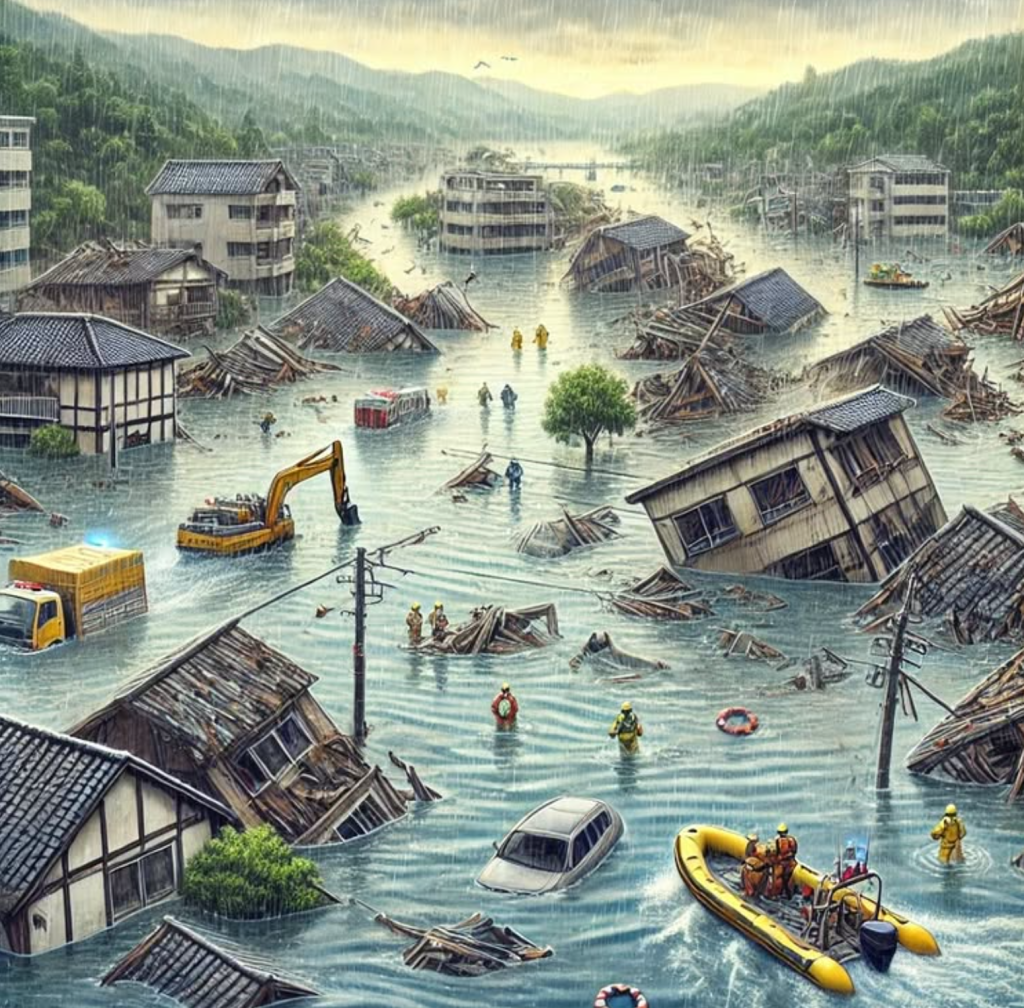
1. Earthquake Damage: The region initially suffered from a significant earthquake, which caused the collapse of buildings, infrastructure, and roadways. Earthquakes often destabilize the ground, making it more vulnerable to further damage, such as landslides or the collapse of weakened structures. 2. Flooding Aftermath: The heavy rainfall or autumn rain front led to severe flooding, which further inundated the already damaged area. The floodwaters cover the streets and rise around the collapsed buildings, making rescue operations more difficult and dangerous. Debris, submerged cars, and the presence of strong currents create hazards for both residents and emergency workers. 3. Rescue and Emergency Response: The combined effect of the earthquake and subsequent flooding puts immense pressure on local authorities and emergency services. The flooding exacerbates the difficulty of reaching survivors or those trapped by collapsed structures. Rescue teams must now navigate the waters, while the risk of landslides or further building collapses looms due to the compromised state of the infrastructure. 4. Human Impact: For the residents, this “double punch” results in widespread displacement, increased fatalities, and missing persons. Survivors face the dual threats of collapsed buildings and rising floodwaters, making it a dire situation. The prolonged nature of the rain also hampers immediate recovery efforts.