

The English version follows the Japanese version.
街中での陥没(道路陥没や地盤沈下)は、さまざまな原因によって引き起こされます。以下は主な原因とその概要です:
1. 地下水の過剰汲み上げ
- 地下水を過剰に汲み上げると、地盤が支持を失い、沈下や陥没を引き起こします。
- 特に都市部では、地下水を利用した工業や農業の影響が大きいです。
2. 地下構造物の老朽化
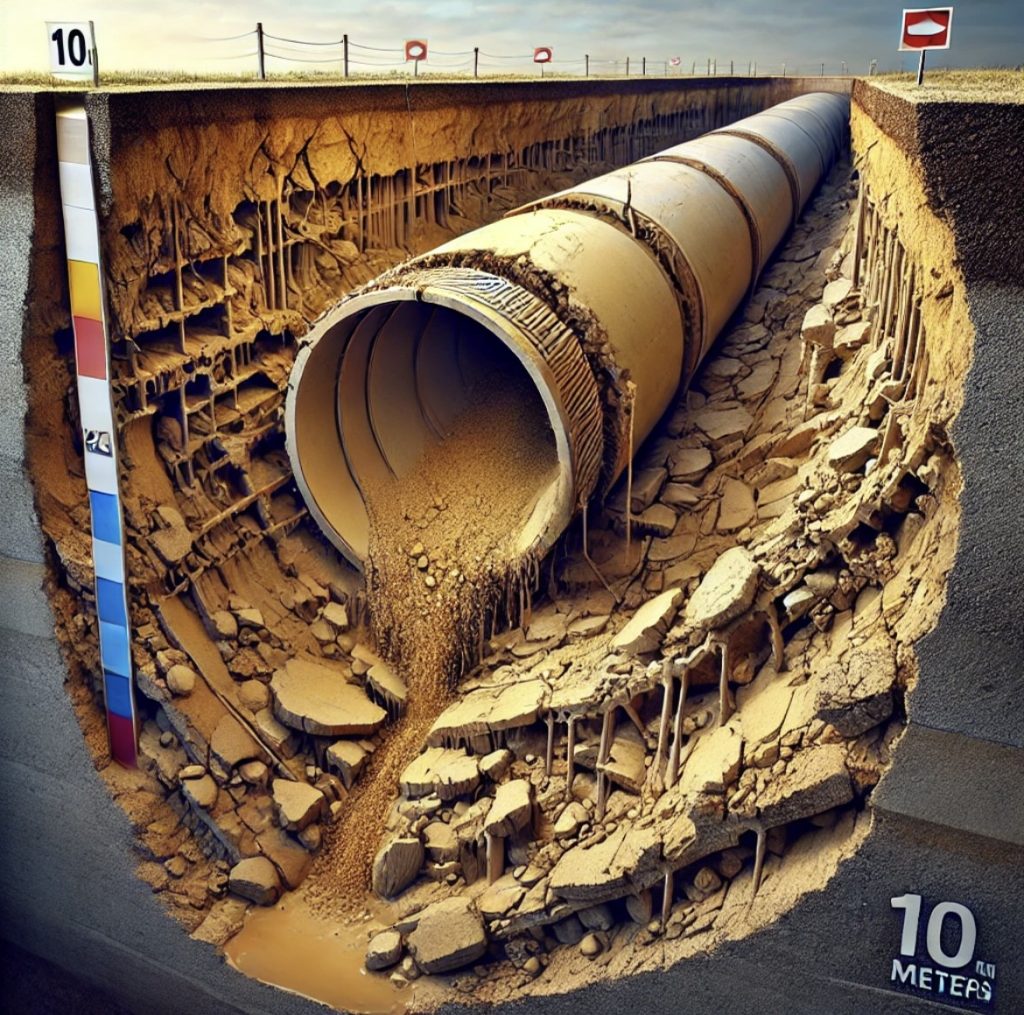
- 地下に埋設されている水道管、下水管、ガス管などが老朽化すると、漏水や破損が発生します。
- 漏水によって土砂が流出し、空洞ができることで陥没が発生します。
3. 地下空洞の存在
- 地下鉄やトンネル、地下駐車場などの人工的な空洞が原因となる場合があります。
- 地盤が十分に支持されていない場合、時間とともに陥没が発生することがあります。
4. 工事の影響
- 地下工事(トンネル掘削、地下鉄建設など)の際に、適切な地盤処理が行われなかった場合に空洞が生じることがあります。
- 振動や掘削による影響で周囲の地盤が弱くなることもあります。
5. 自然現象
- 豪雨や地震により、地盤が緩み、陥没が発生することがあります。
- 浸透した雨水が地中の土砂を流出させ、空洞を作ることがあります。
6. 地質の特性
- 地下に柔らかい土層(例:粘土や砂層)が存在すると、荷重を支える力が弱く、沈下や陥没が起こりやすくなります。
- また、石灰岩地帯では地下にカルスト地形(洞窟など)があり、これが原因で陥没することがあります。
7. 埋め立て地や人工地盤
- 埋め立て地では、元々の地盤が弱いことや不適切な埋め立て材が原因で、沈下や陥没が発生することがあります。
- 時間の経過とともに地盤が圧密し、表面が沈むこともあります。
防止策
- 定期的なインフラ点検:老朽化した地下施設の早期発見と補修。
- 適切な地下水管理:過剰な汲み上げを防ぎ、地下水位を安定させる。
- 地盤改良:特に工事や埋め立て地での適切な地盤改良工事。
- モニタリング技術の活用:センサーやドローンを使った地盤変動の監視。
これらの原因が複合的に影響し合う場合も多いため、陥没の発生を完全に防ぐのは難しいですが、早期発見と対策が重要です。

Causes and Countermeasures of Road Sinkholes
Sinkholes and ground subsidence in urban areas are caused by various factors. Below are the main causes and their summaries:

1. Excessive Groundwater Extraction
- Over-extraction of groundwater weakens soil support, leading to subsidence and sinkholes.
- This is particularly significant in urban areas where industries and agriculture rely heavily on groundwater.
2. Aging Underground Structures
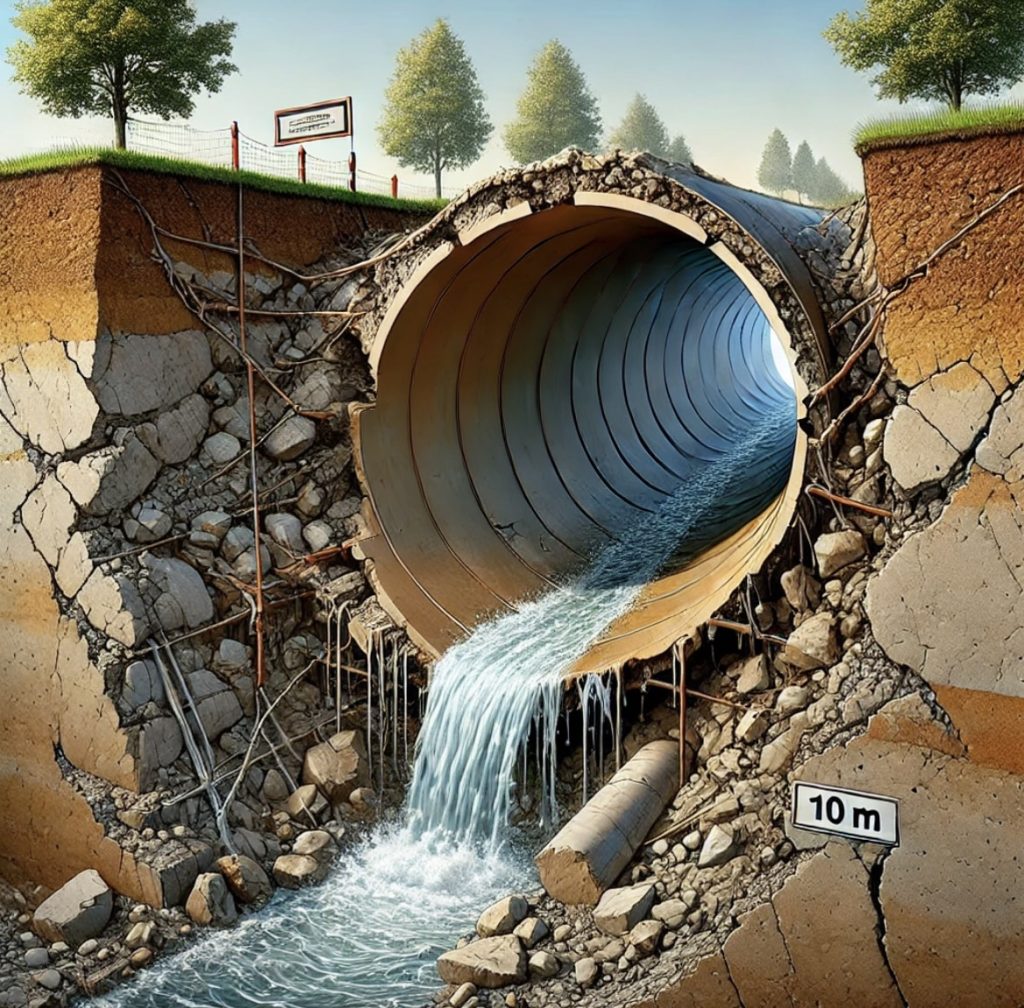
- Underground pipelines, such as water, sewage, and gas pipes, deteriorate over time, causing leaks and breakages.
- Leaking water erodes surrounding soil, creating voids that eventually lead to sinkholes.
3. Presence of Underground Cavities
- Man-made cavities, such as subways, tunnels, and underground parking facilities, can contribute to sinkholes.
- If the ground is not properly supported, sinkholes may develop over time.
4. Impact of Construction Work
- Inadequate ground treatment during underground construction (e.g., tunnel excavation, subway construction) can create voids.
- Vibrations and excavation work can weaken surrounding soil, increasing the risk of collapse.
5. Natural Phenomena
- Heavy rainfall and earthquakes can loosen the soil, causing sinkholes.
- Rainwater infiltration can wash away underground soil, creating voids.
6. Geological Characteristics
- Soft soil layers (e.g., clay or sand) have low load-bearing capacity, making them prone to subsidence and sinkholes.
- In limestone regions, karst topography (such as underground caves) can cause sudden ground collapses.
7. Reclaimed Land and Artificial Ground
- Reclaimed land is often prone to subsidence due to weak original ground conditions or improper fill materials.
- Over time, soil compaction can cause the ground surface to sink.
Preventive Measures
- Regular Infrastructure Inspections: Early detection and repair of aging underground facilities.
- Proper Groundwater Management: Preventing excessive extraction and stabilizing groundwater levels.
- Ground Improvement: Implementing appropriate soil reinforcement, especially in construction and reclaimed land areas.
- Use of Monitoring Technologies: Employing sensors and drones to detect ground movement.
Since multiple factors often contribute to sinkholes, completely preventing them is difficult. However, early detection and proactive measures are essential in mitigating risks.